

 Back
Back
Farmers actively discussed opportunities for reducing fertilization and nitrogen losses.
2025.03.07
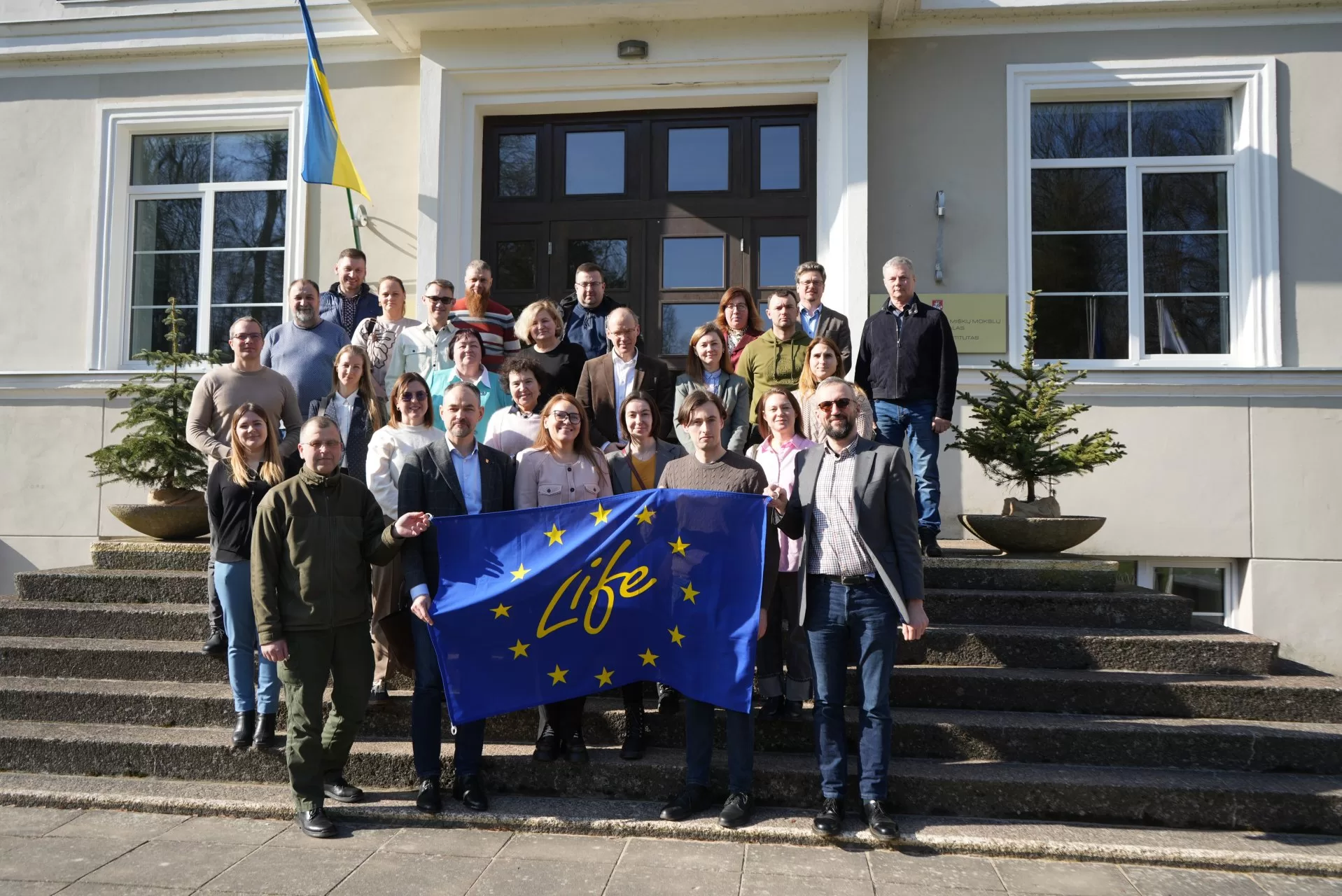
March 7. The Lithuanian Research Centre for Agriculture and Forestry (LAMMC) organized a seminar titled “Sustainable Farming: Innovative Solutions for Fertilization and Nitrogen Loss Reduction” for farmers, where opportunities for reducing fertilization and nitrogen losses were actively discussed. This is the first of twelve LAMMC seminars planned as part of the ongoing “Integrated Water Management in Lithuania” (LIFE SIP Water) project activities.
Sustainable agriculture is becoming increasingly important in the context of climate change and environmental protection. Increasing nitrogen compound losses and surface water pollution pose a significant threat to ecosystems and the sustainability of food production. According to Dr. Gintaras Brazauskas, these issues are becoming even more pressing due to rising temperatures and the intensifying effects of climate change, necessitating the search for innovative and effective solutions to reduce environmental impact and ensure long-term agricultural sustainability.
In Lithuania, many surface water bodies still do not meet good quality standards, and the risk of pollution remains high. To address these issues, the “Integrated Water Management in Lithuania” (LIFE SIP Water) project is being implemented, which includes precision fertilization and meadow management measures. The project is aimed not only at direct pollution reduction but also at promoting long-term sustainable agricultural development.
Is the agricultural sector the only source of pollution?
While agricultural activities contribute to nitrogen compound losses and water pollution, it is important to also consider other sources of pollution, such as wastewater systems. Intensive fertilization increases plant productivity, but improper use of fertilizers causes nutrient leaching problems and harms soil and water ecosystems.
How to reduce nitrogen leaching?
Additional fertilization increases the risk of nitrogen leaching, so it is crucial to adhere to balanced fertilization principles and ensure that plants receive only the nutrients necessary for optimal growth. Excessive nitrogen can be not only ineffective for plant growth but also lead to negative environmental impacts, especially on aquatic ecosystems.
The extent of nitrogen leaching depends on many factors, including vegetation composition, soil properties, and hydrological conditions. For example, nitrogen leaches faster from sandy soils than from clayey ones because their nutrient retention capacity is lower. It is also important to consider meteorological conditions—intense rainfall promotes nitrogen leaching, although during droughts this process may be reduced.
To reduce nitrogen leaching, it is recommended to apply precision fertilization technologies, use slow-release fertilizers, and combine various soil cultivation methods, such as crop rotation or cover cropping. This helps not only to preserve soil fertility but also to protect surface and groundwater bodies from pollution.
Sustainable agriculture requires a comprehensive approach. Precision fertilization, maintaining natural meadows, and forming protective zones are effective ways to reduce nitrogen losses and protect water bodies. Lithuania’s climatic conditions and soil types vary, so solutions must be tailored to each region. Moreover, to achieve long-term results, it is important to promote innovation, collaboration between scientists and farmers, and the development of sustainable agricultural policies.


Results
we aim to achieve

Reduced negative environmental impacts on the country’s surface waters and improved status of surface water bodies.
A cooperation platform developed by experts from participating institutions, ensuring more effective management of surface water bodies.
Investments mobilised through the project will secure funding beyond the project’s lifetime and expand the scale of its results.
Public outreach and communication activities will increase public engagement and encourage behavioural changes that contribute to improving the status of water bodies.
